Ireland · 23 October 2026 · 6 min read
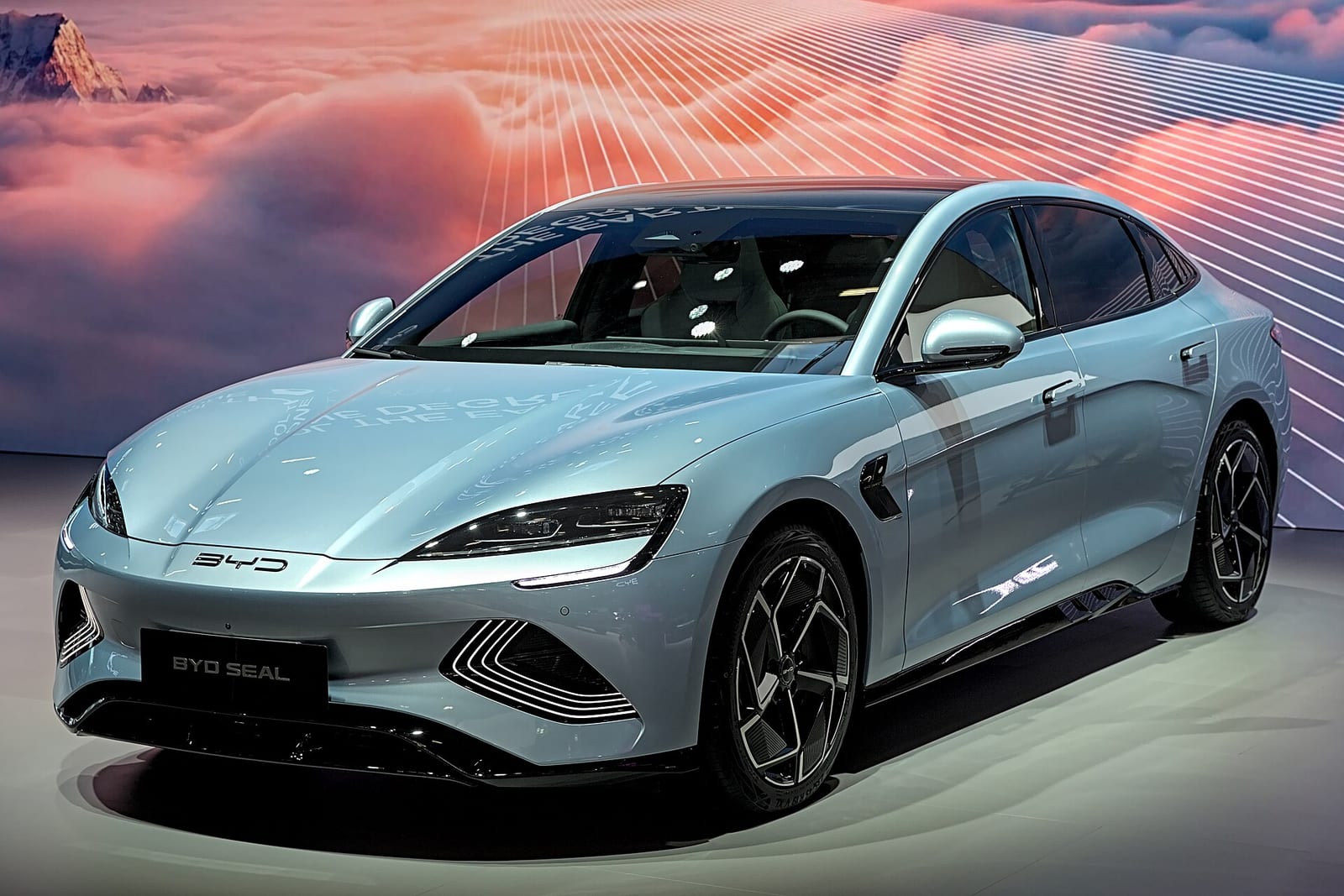
BYD sells 4,403 cars in Ireland YTD - now top 10 and cutting prices
BYD recorded 4,403 registrations (3.43% share) Jan-Sep 2026, pushing it to ninth nationally and forcing down retail prices; Beijing's warning of retaliation over UK EV curbs could still alter availability and future costs here.
By AutoAds Newsdesk
At a glance
- BYD new registrations in Ireland (YTD 2026)
- 4,403 units, 3.43% market share (SIMI Motorstats, January-September 2026).
- BYD ranking in Ireland (2026)
- Broke into the Irish top 10 this year, ranked ninth nationally.
- EU EV market share (Jan-Sep 2026)
- Battery-electric vehicles accounted for 22.7% market share in the EU (ACEA press release, 22 Oct 2026).
- UK domestic rule change (cross-pavement chargers)
- From 21 Oct 2026, England removes planning permission for qualifying cross-pavement chargers - savings up to £300, government says.
- Beijing's warning
- China's Ministry of Commerce (MOFCOM) said it would 'resolutely retaliate' if the UK imposed restrictions on Chinese EVs (MOFCOM comment reported 19 Oct 2026).
Chinese brands moving fast - the Irish picture
Chinese carmakers are no longer a future threat to the Irish market - they are part of it. BYD has surged this year, moving into the Irish top 10 and displacing long-established names in the rankings.
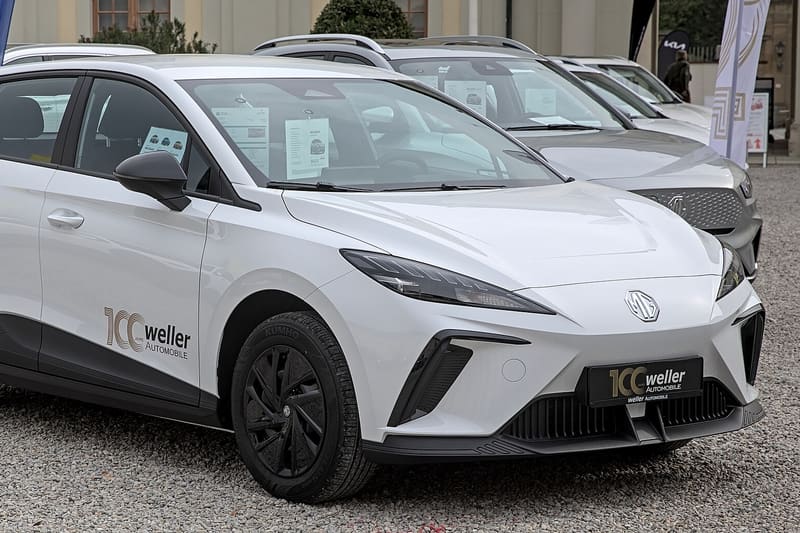
The Irish motoring rundown published by The Irish Times lists the Chinese names already active or preparing to sell here: BYD, MG (SAIC), Leapmotor, Xpeng, Chery, Geely (and associated brands such as Polestar), and others. Each brand brings a different pitch - from BYD's broad electric range to MG's value-led SUVs and Leapmotor's extended six-year warranty offering.
SIMI Motorstats confirm the numbers behind the headlines: BYD recorded 4,403 registrations and a 3.43% share in the January-September 2026 tables, underlining how quickly a new entrant can rise in a small market like Ireland.
Trade tensions: Beijing's warning to London
The diplomatic temperature rose this week after Beijing warned it would take countermeasures if the UK adopted restrictions on Chinese-made electric vehicles similar to the EU's. The point was made publicly by Chinese trade officials responding to reports of closer UK alignment with EU trade measures.
Those warnings follow an EU move to tighten access and apply anti-subsidy measures to some imports, and they come as ACEA records strong EV growth across Europe - battery-electric cars now account for 22.7% of registrations in the first nine months of 2026. The economic context is a reminder that trade policy and motor-market trends are moving together.
What Beijing says it could do ranges from targeted commercial measures to politically sensitive restrictions used historically in earlier trade spats; commentators note that retaliation tends to be asymmetric and targeted rather than a blanket ban.
What it means for Irish drivers
Price: Chinese marques have broadened choices at the lower and middle price points, which has put downward pressure on retail prices across segments. Expect that to continue unless import duties are raised - tariffs would typically push retail prices up for any Chinese imports not made in the EU or Turkey. ACEA's data shows rapid BEV growth in Europe, which is one reason Brussels and some national capitals are considering trade measures.
Choice: Irish buyers already see more models on dealer forecourts and online listings - from small city EVs through seven-seat crossovers to high-end electric saloons. That breadth is good for consumers, but not every Chinese model arrives in Ireland; importers pick ranges they think will sell here, so variety will grow selectively rather than all at once.
Warranty and dealer support: one of the selling points for several newcomers is long warranties and strong service promises (Leapmotor's six-year warranty is an example cited in the market briefing). Still, network size and aftersales support vary by brand, so buyers should check local dealer numbers, warranty terms and parts availability before committing.
Tariffs and localisation: Europe's anti-subsidy measures have already pushed some Chinese groups to invest in European or nearby production to avoid duties. For Irish buyers that matters - a car built or assembled in the EU is less likely to face extra import costs, and local production can help stabilise prices and service. But if the UK chooses to mirror EU measures, Beijing's threats could complicate supply lines and influence model availability in Britain and, indirectly, Ireland.
Looking ahead
For most Irish buyers the near-term impact will be practical: more choice, competitive pricing on many models, and the need to check warranty and dealer coverage carefully. Those hunting the cheapest city EVs should still expect European homologation and safety-driven re-engineering to add cost compared with Chinese domestic list prices.
On the geopolitical front, trade decisions by the EU and potentially the UK will shape which brands mass-invest in local manufacturing and which rely on exports. That in turn will decide whether low headline prices for Chinese-branded EVs stay low, or whether protection measures push some prices back up. Keep an eye on SIMI monthly releases for how these market shifts show up in Irish registration charts.
Sources: The Irish Times, Society of the Irish Motor Industry (SIMI) Motorstats, Newsquawk (headline service), Peacock Tariff Consulting (analysis), ACEA (European Automobile Manufacturers' Association), GOV.UK / Department for Transport, Istanbul Post / Anadolu Agency (ACEA data republished). Researched and written by the AutoAds newsdesk with AI assistance; figures checked against the named sources at publication.