Europe · 23 October 2026 · 5 min read
Irish fleets could cut public EV charging costs by up to 30% with new subscription
Octopus Fleet's FleetBoost scores up to 30% off public charging on partnered networks and covers almost all the UK; Irish firms using similar commercial tariffs could see big savings and less admin on EV bills.
By AutoAds Newsdesk
At a glance
- Octopus Fleet discount
- Up to 30% off public charging for fleets with FleetBoost (Octopus).
- Coverage in UK
- 99% of the UK is within 14 miles of a FleetBoost charging site (Octopus / Autocar).
- Fleet charging cost imbalance
- Public charging made up 27% of sessions but 57% of fleets' electricity outlay in 2025 (Rightcharge, cited by Autocar).
- Electrify America new hub
- 24 DC fast chargers at up to 350 kW in Orlando (Electrify America).
- Seattle curbside rollout
- Up to 200 Level 2 curbside chargers to be installed by 2030, at about 21 million dollars allocated from a transport levy (InsideEVs).
What happened
Octopus Energy has launched FleetBoost, a monthly per-driver subscription within its Octopus Fleet product, which negotiates discounts of up to 30% on public charging for fleets that use participating networks. The deal is already live with networks including MFG EV Power, Ionity and Be.EV, and Octopus says it intends to add more partners over the coming months, according to Autocar.
Octopus says the combined network already puts 99% of the UK within 14 miles of a FleetBoost charging site. The offer includes app features that highlight cheaper chargers and automates expense paperwork for fleet managers.
Why fleets pay more now
Public charging has become a disproportionate cost for commercial operators. A Rightcharge figure quoted by Autocar shows public charging accounted for 27% of fleets' sessions but 57% of their electricity spending in 2025. Some rapid networks can charge as much as 93p per kWh, while home overnight rates on special tariffs can be under 7p per kWh.
Industry body ChargeUK told Autocar that the gap is driven by higher wholesale energy costs, standing charges and the higher 20% VAT applied to commercial public charging, compared with 5% VAT for domestic energy in the UK. Octopus has said reliable, frequent fleet use helped it negotiate lower rates with networks.
What it means for Irish drivers
Irish businesses that already use Octopus commercial services, or that switch to equivalent commercial fleet tariffs offered by Irish suppliers, could see material reductions in the cost of public charging. While details of pricing and network partners will differ between markets, the principle is clear: fleets that guarantee steady usage are in a stronger position to win lower public charging rates.
For Irish fleet operators this matters because public charging still represents a large share of running costs for vehicles used away from depot. FleetBoost-style subscriptions also reduce admin time by automating claims for home charging and giving managers central visibility of costs, which can help control VRT and motor tax budgeting when converting cars and vans to electric.
Global charging context
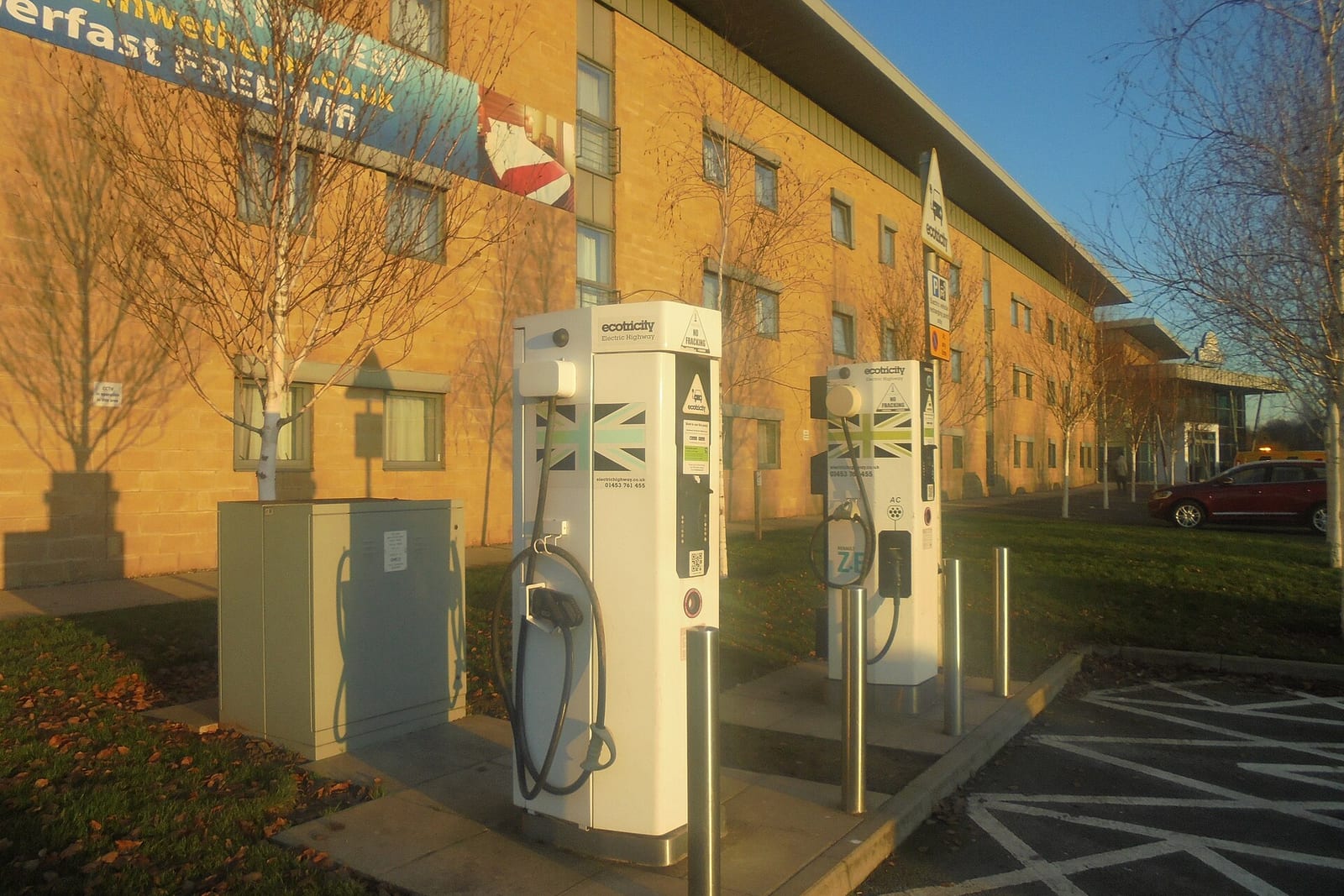
The Octopus move comes alongside other signs that charging networks are scaling up. Electrify America opened its largest station to date in Orlando with 24 DC fast chargers capable of up to 350 kW each, serving local drivers and tourists, according to electrive.
Cities are also building out slow and medium-speed access close to homes. Seattle plans to install up to 200 Level 2 curbside chargers by 2030, funded in part from a transport levy, with current curbside charging priced at about $0.21 per kWh, according to InsideEVs.
Looking ahead
For Irish fleet buyers the practical test will be whether similar commercial tariffs and multi-network agreements arrive here and how quickly Irish operators can secure favourable rates. Expect fleet procurement teams to ask suppliers for tighter public-charging pricing and clearer reporting of per-kilometre costs when comparing electric and internal combustion options.
If multi-network FleetBoost-style deals reach Ireland, they could lower the marginal cost of switching to electric for many businesses - but operators should compare per-kWh prices, VAT and standing charges, and check how often drivers will need public versus depot charging.
We know that switching a fleet to electric is about much more than putting an EV on the road. Businesses need charging to be affordable, reliable and easy for drivers to use and we're tackling this all in one go.
Sources: Autocar, electrive, InsideEVs. Researched and written by the AutoAds newsdesk with AI assistance; figures checked against the named sources at publication.